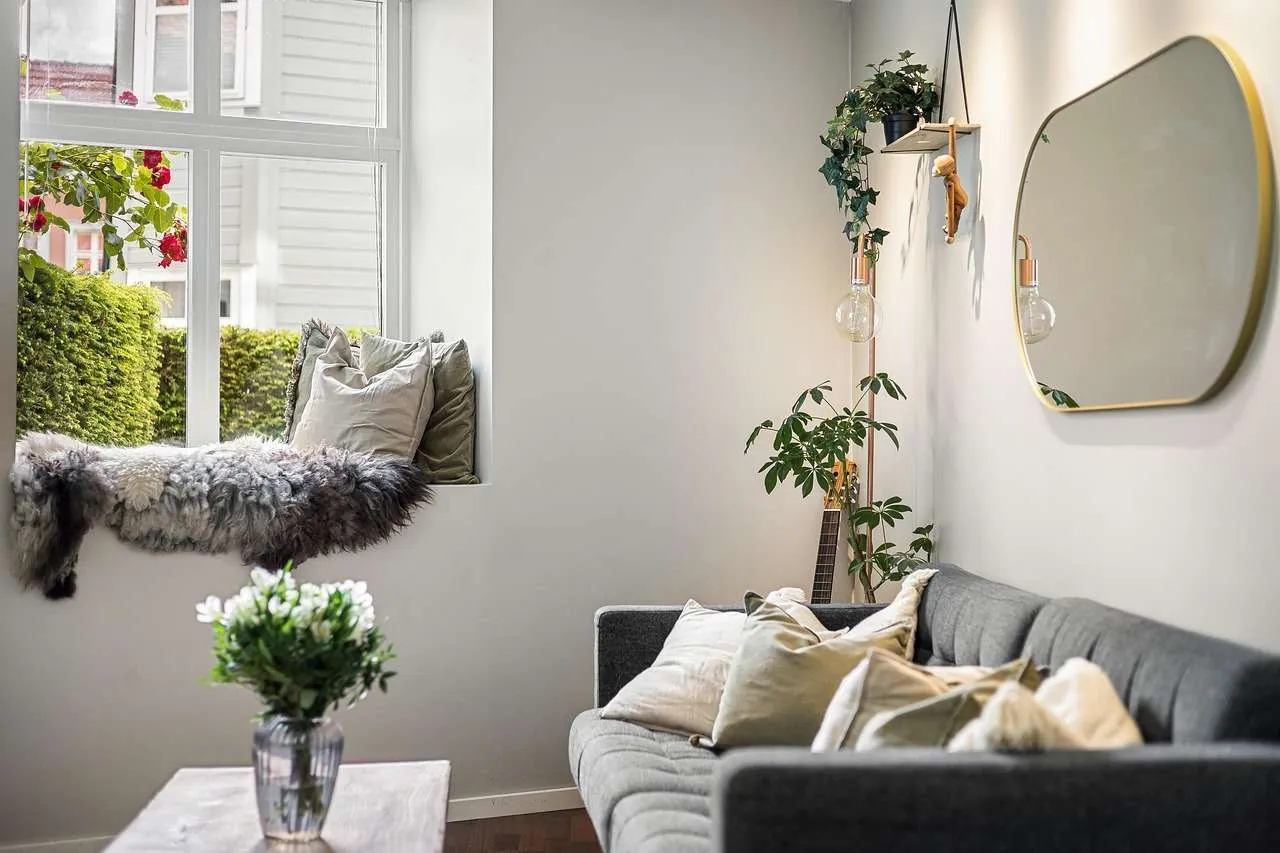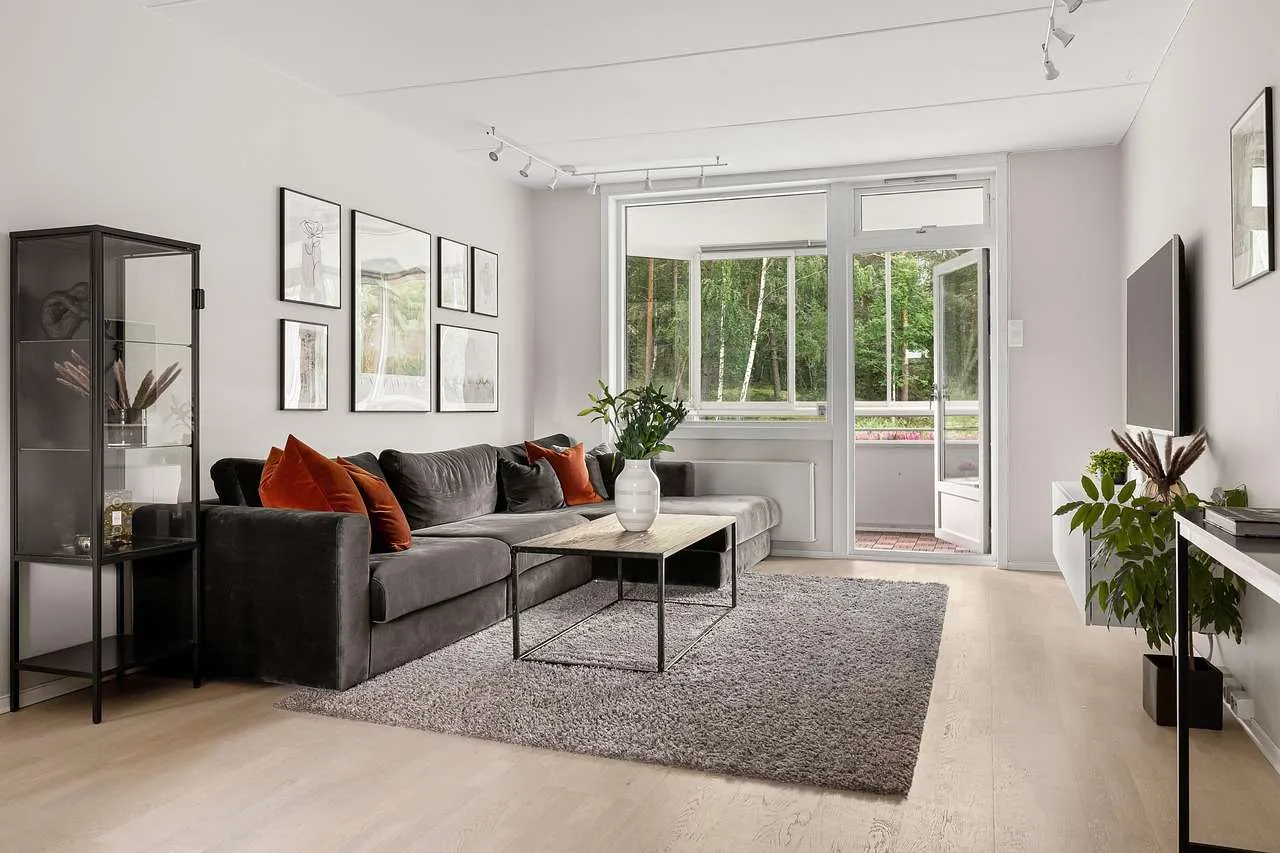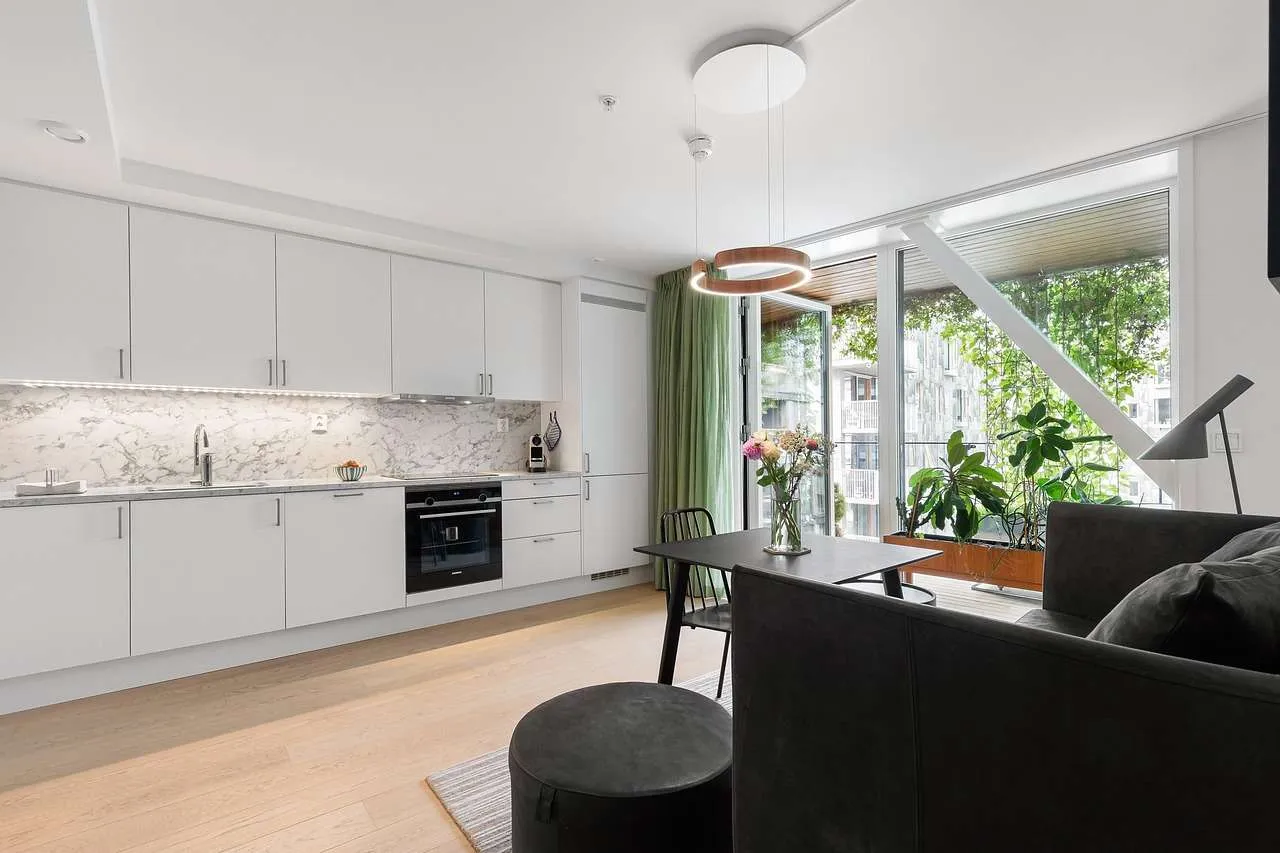
What is home window tinting?
Home window tinting refers to applying a thin film to the interior surface of your glass to control heat, glare, UV exposure, and privacy. Modern films are designed to be clear enough for daily viewing while delivering meaningful improvements in comfort and energy use. When installed by a licensed professional, tint films can also help protect furnishings from fading and reduce hot spots in rooms that face strong sun.
Benefits of home window tinting
Energy savings: Films with good solar control reduce the amount of heat entering a space, lowering cooling loads in summer and sometimes improving efficiency in shoulder seasons. This can translate to lower utility bills and a more consistent indoor temperature.
UV protection and glare reduction: Most films block a high percentage of ultraviolet radiation, protecting skin health and preventing fabrics from fading. Glare reduction makes screens and daytime activities more comfortable without needing blinds all day.
Privacy and safety: Tinted films increase privacy from street level and add a layer of protection against shattered glass in the event of breakage, depending on the film's thickness and adhesion.
Types of window tint films
Dyed window tint
Dyed films are the most affordable option. They absorb heat and reduce glare but can be prone to fading over time and offer moderate heat control compared with other options.
Metalized window tint
Metalized films include small metallic particles that reflect solar energy. They excel at heat rejection and can add strength to the glass, but they may interfere with electronics and create a slight reflectivity that some homeowners dislike.
Ceramic window tint
Ceramic films use non-conductive crystals to deliver high performance without discoloration or metal. They provide excellent heat reduction, strong UV protection, and minimal visual alteration, though they are typically more expensive.
Carbon and hybrid window tint
Carbon or hybrid films balance aesthetics with performance, offering deep color that hides tinting edges while delivering good solar control and UV rejection at a moderate cost.
Reflective and mirrored tint
Reflective films reflect sunlight on the exterior for strong heat control and a modern look. They can reduce outward visibility at night and may require more careful code-compliant installation in some zones.
How to choose the right tint for your home
Consider climate and sun exposure: hotter climates benefit more from higher heat rejection and low SHGC films. Lighting preferences matter: higher VLT shows more natural light but slightly less glare control.
Exterior vs interior appearance: films come in various tones; check how they affect curb appeal and the view from inside the home at night.
Performance data and warranty: ask for UL or manufacturer data on UV rejection, SHGC, and Visible Light Transmittance (VLT), plus a warranty that covers bubbling, peeling, or delamination.
Code and HOA restrictions: confirm local rules before selecting a film to avoid issues with homeowners associations or building codes.
Professional installation vs DIY
DIY installation can save money but requires care to avoid air bubbles, dust, and improper adhesion. Professional installers bring trained technique, guarantees, and consistent results, especially on large or multi-pane windows.
Maintenance and longevity
Clean with non-abrasive glass cleaner and a soft microfiber cloth. Avoid ammonia-based cleaners on certain films as they can degrade the coating over time. Expect most quality residential films to last 10–15 years with proper care and occasional reapplication or replacement when the film shows wear or bubbles near edges.
Comparison of tint options
| Type | Pros | Cons | UV Rejection | SHGC | VLT | Typical Cost |
| Dyed | Inexpensive, good glare control | Fade risk, moderate heat reduction | High | Medium | High | Low |
| Metalized | Strong heat rejection, adds strength | Electronics interference, visible reflectivity | Excellent | Low | Medium | Medium |
| Ceramic | Best overall performance, non-conductive | Higher upfront cost | Excellent | Low | High | High |
| Carbon/Hybrid | Good aesthetics, solid performance | Moderate price | Very good | Low | Medium | Medium-High |
| Reflective | Excellent heat control, modern look | Nighttime visibility and appearance concerns | Good | Very low | Low | Medium-High |
Choosing a reputable installer (EEAT)
Look for licensed or insured professionals with references, clear warranties, and performance data for the films they install. Ask for before-and-after photos, and verify the installer provides a written quote with SHGC and VT expectations. A trustworthy shop will discuss product options in plain language and tailor recommendations to your climate, home orientation, and family needs.
Conclusion
Quality home window tinting can lower energy costs, protect interiors from UV damage, reduce glare, and increase privacy. By understanding film types, climate considerations, and installation options, homeowners can select a film that balances performance, aesthetics, and budget while working with a reputable installer to ensure a durable result.
Summary: Home window tinting improves comfort, protects furnishings, and saves energy through carefully selected film types and professional installation. By evaluating climate, VLT/SHGC data, warranties, and choosing a qualified installer, you get durable performance and lasting value.