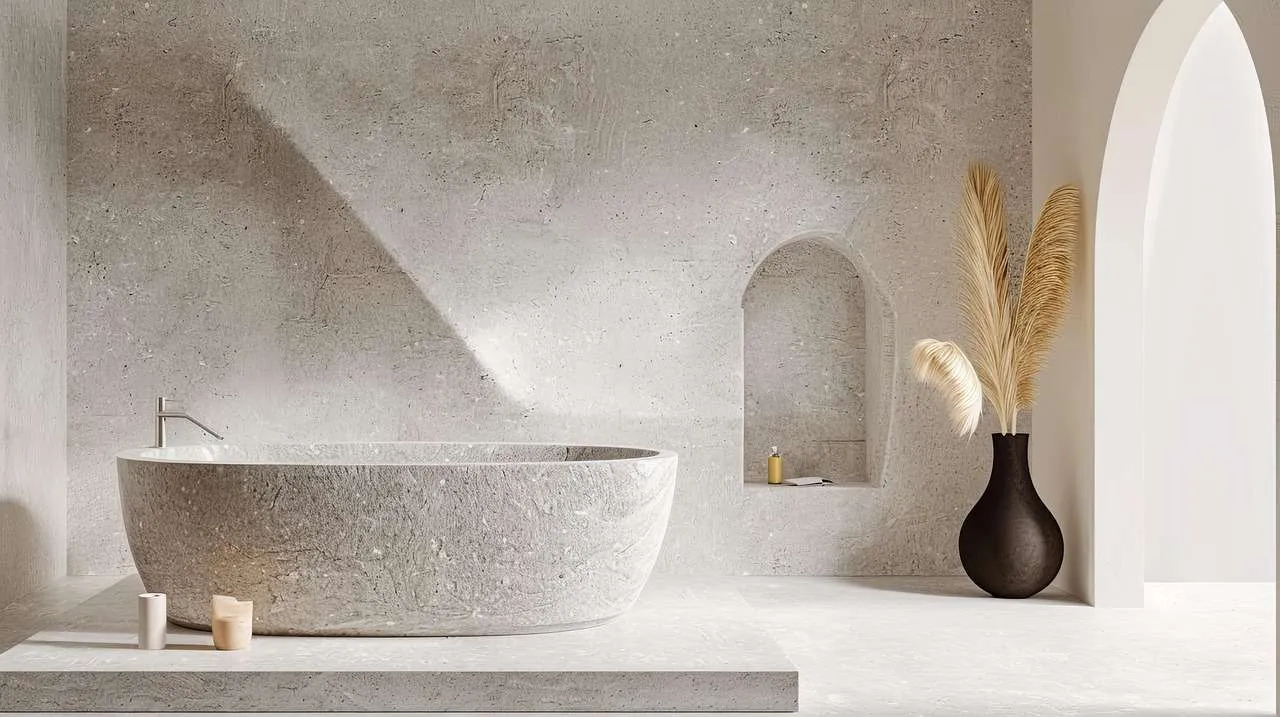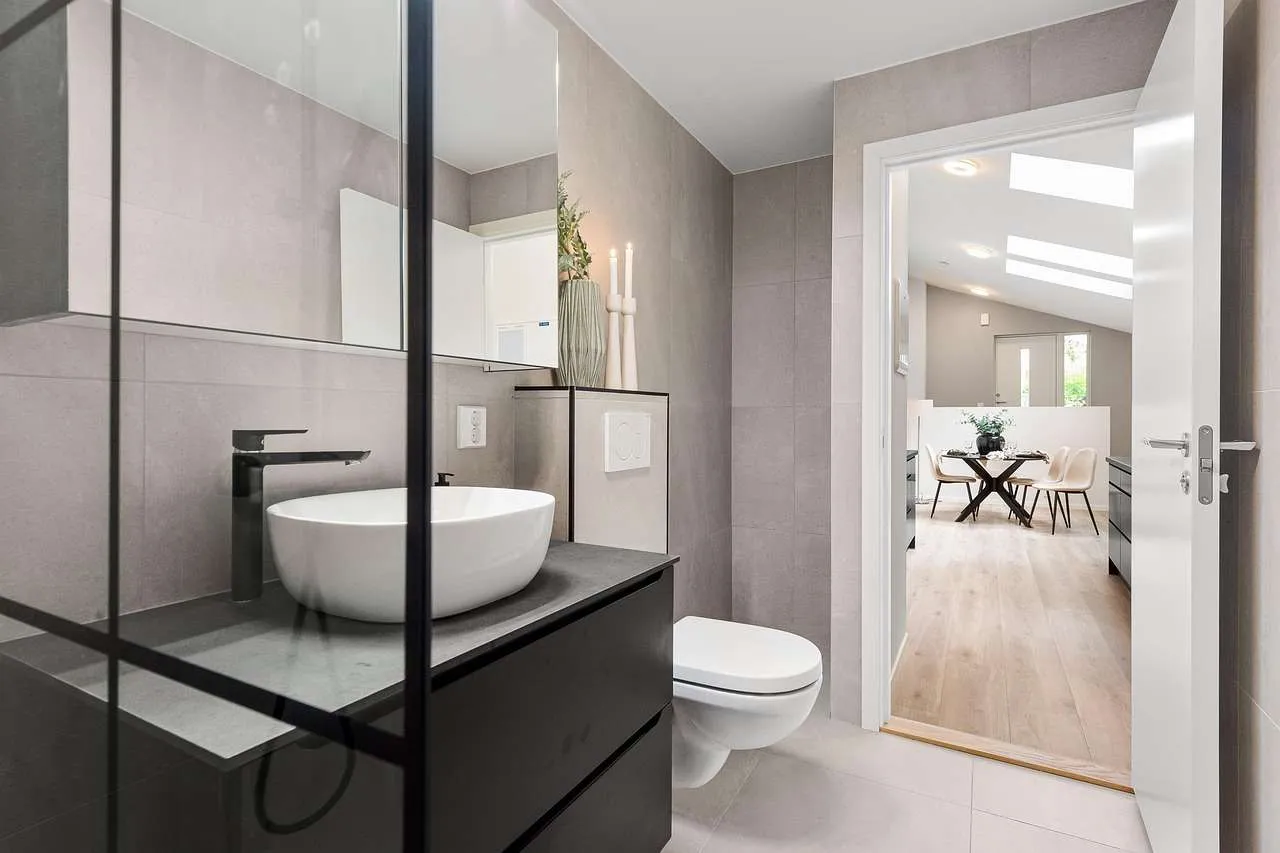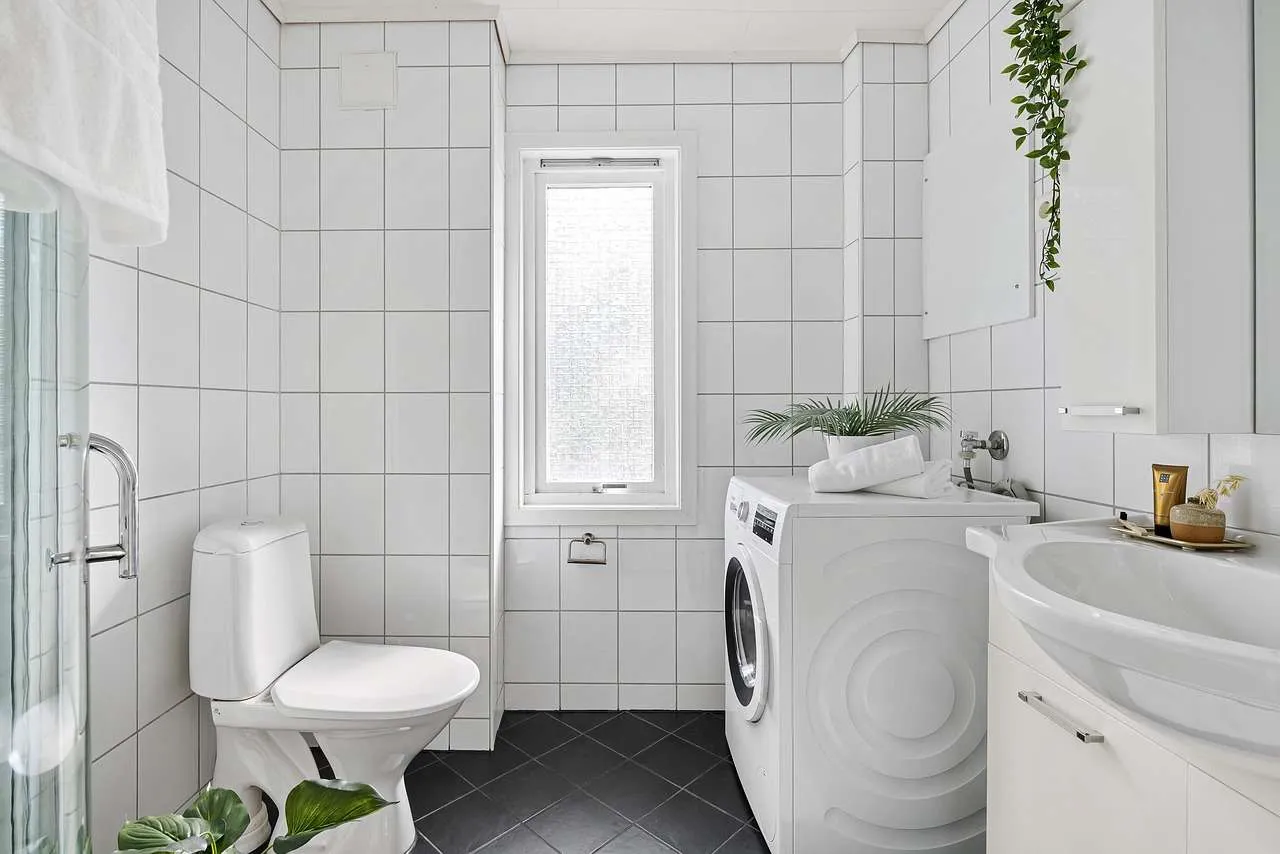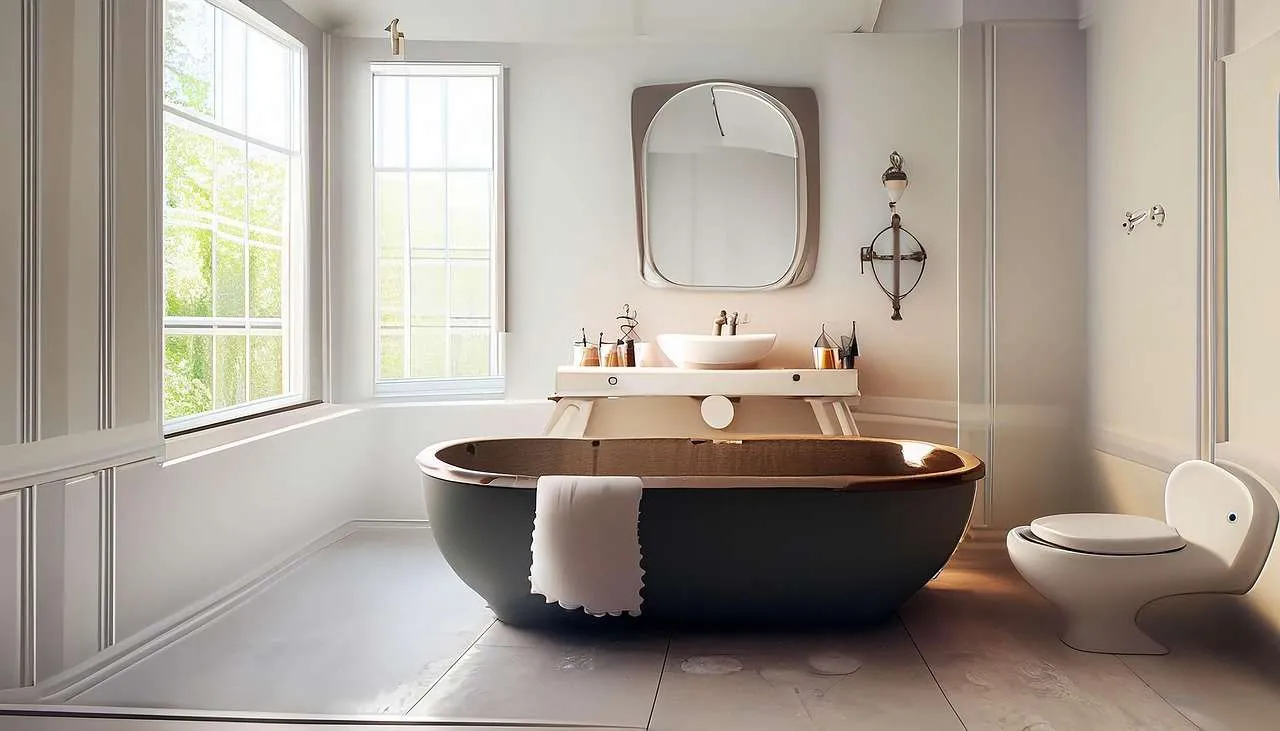
Choosing bathroom tile is more than a color choice; it's a blend of durability, maintenance, and style that lasts for years. From wet zones to showers and floors, the right tile can transform a bathroom while preserving resale value and comfort. This guide covers tile types, selection criteria, installation basics, maintenance, and cost considerations to help you make an informed decision with confidence.
Understanding bathroom tile types
Porcelain tile and ceramic tile are the most common choices due to availability and performance. Porcelain is denser with lower water absorption, ideal for floors and showers.
Porcelain tile
Made from refined clay and fired at high temperatures, porcelain offers low porosity (<0.5%), excellent durability, and wide design options. It can mimic stone or wood with consistent texture.
Ceramic tile
Ceramic tiles are fired clay with higher porosity than porcelain. They're lighter, easier to cut, and usually more affordable, suitable for walls and light-traffic areas.
Natural stone tile
Marble, travertine, and slate add luxury but require sealing and more maintenance due to higher porosity and staining risk. They excel as accent floors or shower walls.
Glass and mosaic tiles
Glass tiles reflect light and are popular for backsplashes and shower enclosures. Mosaic patterns can add texture and grip in small spaces.
Factors to consider when choosing bathroom tile
- Moisture resistance and porosity: pick tiles with low water absorption for wet zones.
- Slip resistance: choose textured or matte finishes for floors.
- Size and layout: larger tiles can reduce grout lines but require precise leveling.
- Grout color and maintenance: darker grout hides stains but may require sealing; epoxy grout offers stain resistance.
- Maintenance and sealing: natural stone often requires sealing; porcelain and ceramic require less.
Design ideas and trends
Neutral tile shades create timeless bases, while bold patterns, herringbone lays, and feature walls add personality. For small bathrooms, large-format tiles can visually expand the space; for rooms with unusual geometry, subway tiles or basket-weave patterns offer classic style.
Installation basics and tips
Preparation matters: inspect the substrate, fix any movement, and plan your layout before cutting. Hire a licensed installer for accuracy, especially for large-format porcelain or intricate patterns. Use a premium thinset mortar and appropriate grout. For showers, use a waterproofing membrane and proper slope to drain water efficiently.
Layout and measurement tips
Before cutting, snap chalk lines, dry-lay tiles to test pattern, and account for expansion gaps around fixtures. Use spacers and level to ensure flat surface, particularly with large-format tiles.
Grout and sealant choices
Epoxy grout offers superior stain resistance but can be harder to install. Cementitious grout with sealing is common for porcelain/ceramic; seal natural stone to prevent staining. Regular resealing intervals depend on porosity and usage.
Maintenance and cleaning
Regular cleaning with non-acidic cleaners preserves color and finish. Sealing natural stone is typically recommended, while porcelain/ceramic tiles require periodic grout maintenance. Replace damaged tiles promptly to prevent water intrusion.
Cost considerations and buying guide
Bathroom tile costs vary by material, size, and pattern. Plan for tiles, underlayment, waterproofing, adhesive, grout, and professional installation if applicable. Porcelain and ceramic tiles generally cost less per square foot than natural stone, but installation complexity can shift overall budget.
Comparison overview
| Tile Type | Water Absorption | Durability | Maintenance | Cost per sq ft | Best For |
|---|---|---|---|---|---|
| Porcelain | Low | Very High | Low | $2–$8 | Floors, showers, wet areas |
| Ceramic | Moderate | Moderate | Medium | $1–$6 | Walls, backsplashes |
| Natural Stone | High (varies) | Variable | High with sealing | $5–$20 | Accent floors, shower surrounds |
| Glass | Very Low | Moderate | Low | $7–$18 | Backsplashes, accents |
Conclusion
Conclusion, a well-chosen bathroom tile balances durability, maintenance, and style. Porcelain is ideal for floors and showers; ceramic works for walls; natural stone offers luxury with proper sealing. Plan layout, lighting, and grout choices, and hire a licensed installer for lasting results.