Choosing bathroom tiles is about balancing durability, water resistance, and style. The right tiles can transform a damp, dark space into a calm, easy-to-clean retreat. This guide walks through popular materials, finishes, layouts, installation tips, and maintenance strategies to help you make an EEAT-informed choice.
Materials: what they are made of and how they perform
Ceramic bathroom tiles
Ceramic tiles are clay-based and fired to a glazed surface. They are affordable, widely available, and come in many colors and patterns. For showers and tub surrounds, look for glazed ceramic with a water absorption rating suitable for wet areas.
Porcelain tiles
Porcelain is a denser variant of ceramic with lower water absorption. It is durable, stain resistant, and available in many wood or stone looks. Porcelain is ideal for floors and shower enclosures in busy homes.
Natural stone tiles
Natural stone such as marble, slate, or travertine adds luxury and unique veining. They require sealing and regular maintenance to prevent staining and water penetration. Choose honed finishes for slip resistance in bathrooms.
Glass and specialty tiles
Glass tiles add reflectivity and can brighten small bathrooms. They are great as accents or backsplashes but can be chipped if used in heavy traffic areas. For safety, pair with more durable field tiles.
Finishes and textures for practicality and style
Matte vs gloss
Matte finishes hide fingerprints and water spots and tend to feel grippier underfoot, making them popular for floors and shower niches. Glossy surfaces reflect light but show water marks more easily.
Slip resistance and safety
In wet areas, prioritize slip resistance. Look for tiles rated for residential wet zones and consider texture or a slightly riven surface. The right texture reduces risk without sacrificing design.
Patterns and edge details
Consider bevels, pencil liners, and eased edges to create subtle transitions between tiles. Subway-style tiles arranged in stacks or offset patterns remain timeless, while herringbone and chevron patterns add movement.
Sizes, patterns and layouts to maximize space
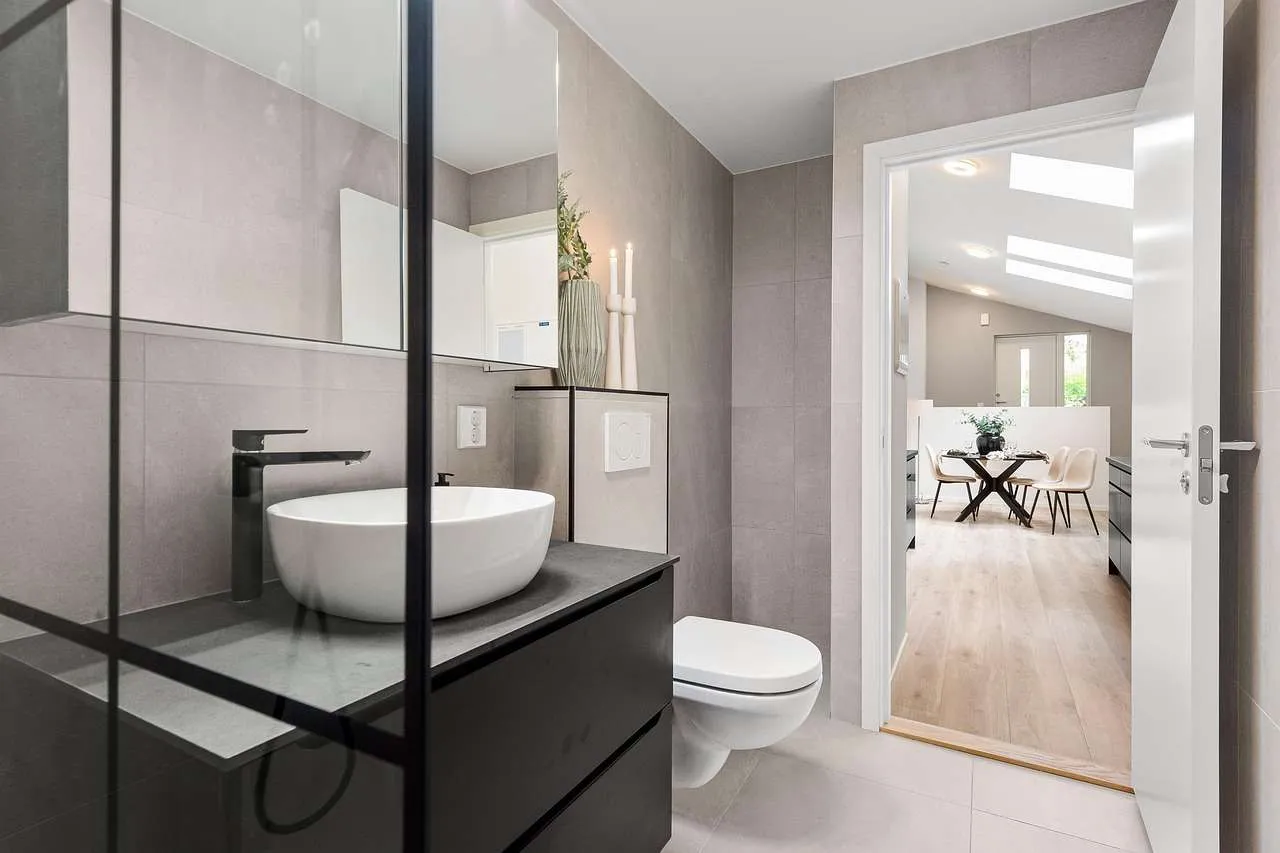
Tile sizes affect the perception of space and grout maintenance. Small-format tiles are forgiving for uneven walls and are great for alcoves, while large-format tiles reduce grout lines and create a seamless look. Pattern ideas include classic brick, herringbone, and basket-weave layouts. Matching tile on walls and floors can unify a compact bathroom or create a feature wall as a focal point.
Installation considerations and maintenance
Prep, waterproofing and setting
Proper substrate prep, waterproofing membranes in wet zones, and quality adhesives are critical. In many regions, bathroom showers require a waterproof membrane and a professional installation to ensure long-term performance.
Grout, sealing and cleaning
Sanded grout is typical for larger grout lines, while unsanded grout works for fine joints. Natural stone often needs sealing to resist staining; reseal periodically per product guidelines. Regular cleaning with pH-neutral cleaners protects tile and grout from discoloration.
Design tips and current trends
For a timeless look, pair neutral tiles with warm wood vanities and metallic fixtures. For bold spaces, use a monochrome palette with a statement backsplash or accent wall in glass or bold patterned ceramic. Consider lighting and reflective surfaces to enhance the bathroom's perceived size and brightness.
Tile type comparison
| Tile Type | Pros | Cons | Best For |
| Ceramic | Affordable, versatile designs | Moderate wear resistance | Walls, light-traffic floors |
| Porcelain | Dense, water resistant, durable | Can be pricier | Floors, showers, wet areas |
| Natural Stone | Luxury look; unique veining | Requires sealing; maintenance | Showers, feature walls |
| Glass | Brightens space; non-porous | Chips easily; higher cost | Backsplashes, accents |
In practice, the best choice depends on budget, area size, and maintenance tolerance. A common approach is to use porcelain or ceramic for most surfaces and reserve natural stone or glass as accent features to create focal points while keeping maintenance reasonable.
Summary, selecting bathroom tiles involves balancing durable materials, appropriate finishes, and careful installation. Ceramic and porcelain deliver reliability and variety; natural stone offers luxury with proper sealing; glass tiles brighten small baths. With careful planning, you can achieve a stylish, long-lasting tile design that reflects your taste and lifestyle while meeting EEAT standards of expertise and trust.